Process SafetyProcess SafetyFire ProtectionFire WaterSprinklerDelugeFoamClean AgentFire FightingAnimatedTechnical Safety Engineering Series
Technical Safety Engineering, Part 3: Active Fire Protection, Fire Water, Sprinklers, Spray, Foam and Gas Systems
How fire fighting systems are designed for a plant: active versus passive protection, the standards, the fire water network and its layout rules, how fire water demand and storage are calculated (with a calculator), hydrants and monitors, wet, dry and pre-action sprinklers, water spray, foam, extinguishing agents for each class of fire, and clean-agent gas flooding. Four interactive animations.
SM
Sumit Mathur
17 min read
When a fire starts, the plant needs two kinds of protection. One keeps working all the time without any action (passive protection, Part 4). The other acts when there is a fire: it detects it, puts it out, or slows it down. That is active fire protection, and it is the subject of this part.
This is Part 3 of a 7-part series on technical safety engineering. Part 2 described fire and explosion. Here we look at how the fire fighting systems are chosen, sized and laid out.
Active fire protection needs something to happen: a person using an extinguisher, or a system such as a smoke detector raising an alarm. It includes manual fire systems, detection and alarm, and fire suppression systems. Most active systems aim to put the fire out or slow its growth.
Passive fire protection does not need anything to happen. It limits the spread of fire, contains it, protects escape routes and keeps structures standing.
A good fire safety system needs both, working together.
2. What you need to know first
Before a fire protection system is designed, the team needs to understand:
the flammable materials involved and where they are stored,
the fire fighting help that is available from outside,
the codes and standards that apply,
the areas to be protected: open process areas, process units on structures, process buildings, non-process buildings (control room, offices, warehouse).
Standards
For process plants, designers commonly use NFPA, Indian Standards (IS), Factory Mutual (FM), API, OISD, and the client's own specifications. For buildings they use the National Building Code and the international building and fire codes. The law adds the Factories Act, state fire rules and the petroleum rules.
Some of the most used are:
Standard
Subject
IS 13039
External hydrant system
IS 12469
Fire water pumps
IS 15325
Medium- and high-velocity spray systems
OISD 116
Fire protection for refineries and petrochemical plants
OISD 117
Fire protection for petroleum depots
OISD 189
Fire protection for oil and gas installations
NFPA 10
Portable fire extinguishers
NFPA 13
Sprinkler systems
NFPA 15
Water spray systems
NFPA 20
Fire pumps
NFPA 24
3. The fire water system
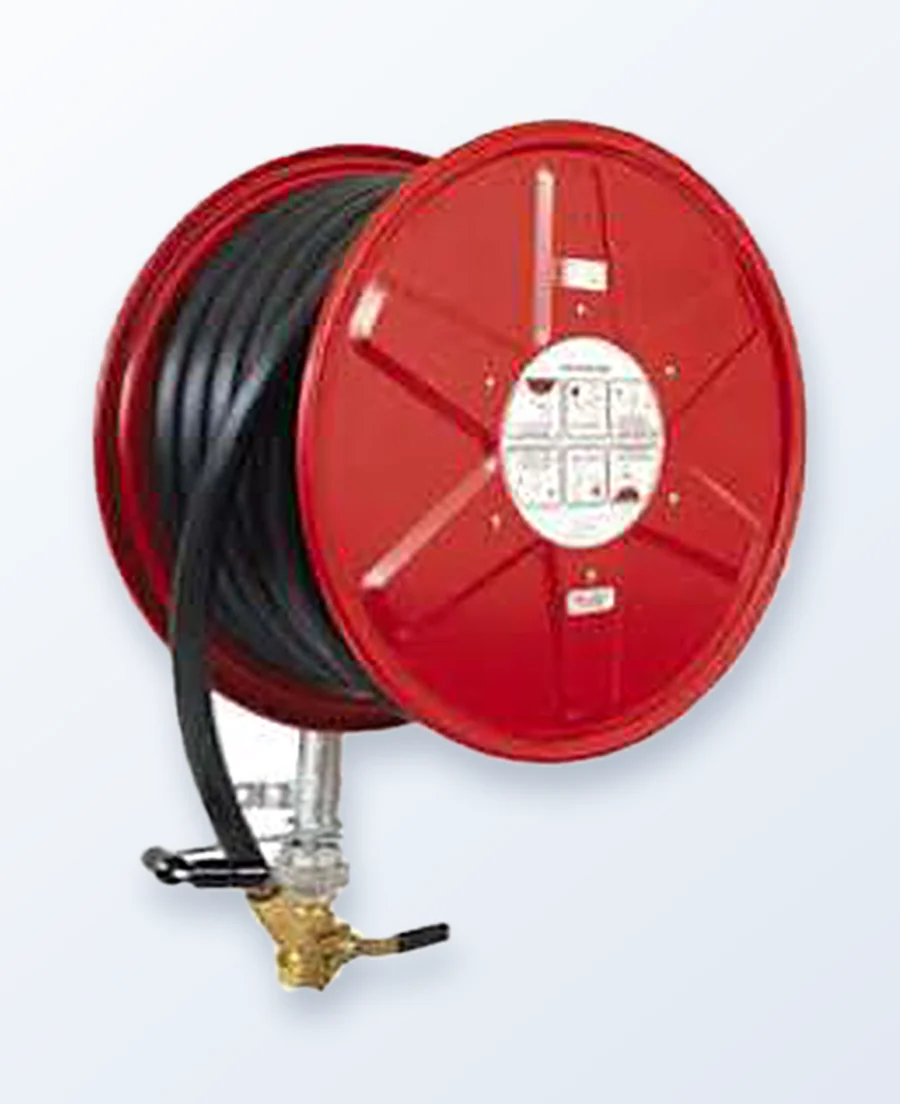
A fire water system is a network of piping, underground or above ground, around the facility. It must be able to fight two fires at once or a single large fire, depending on the design basis. The water is used in different forms as needed: straight jet, fog, mist, curtain, spray, deluge or sprinkler, or to make foam.
Its main parts are:
Jockey pumps (they hold the pressure in the network),
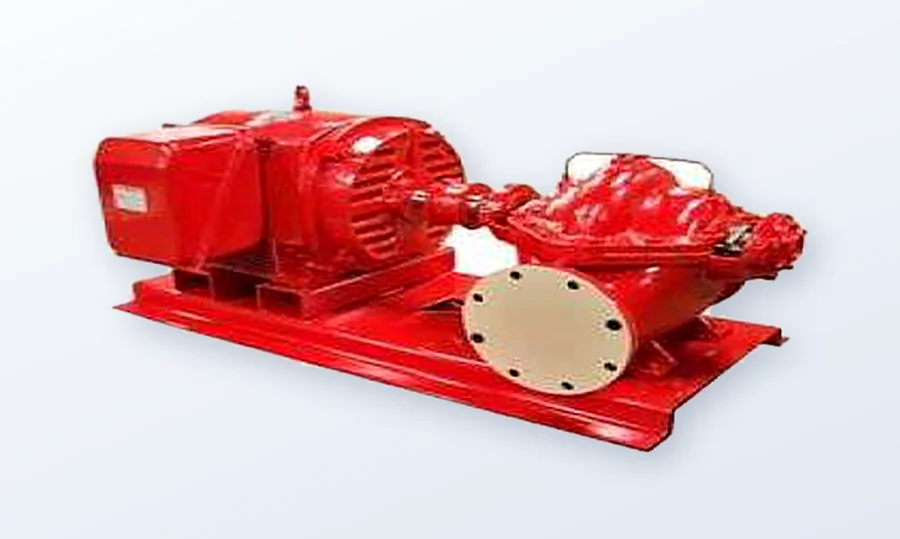
Electric main pumps and diesel engine pumps (so that fire water continues if power fails),
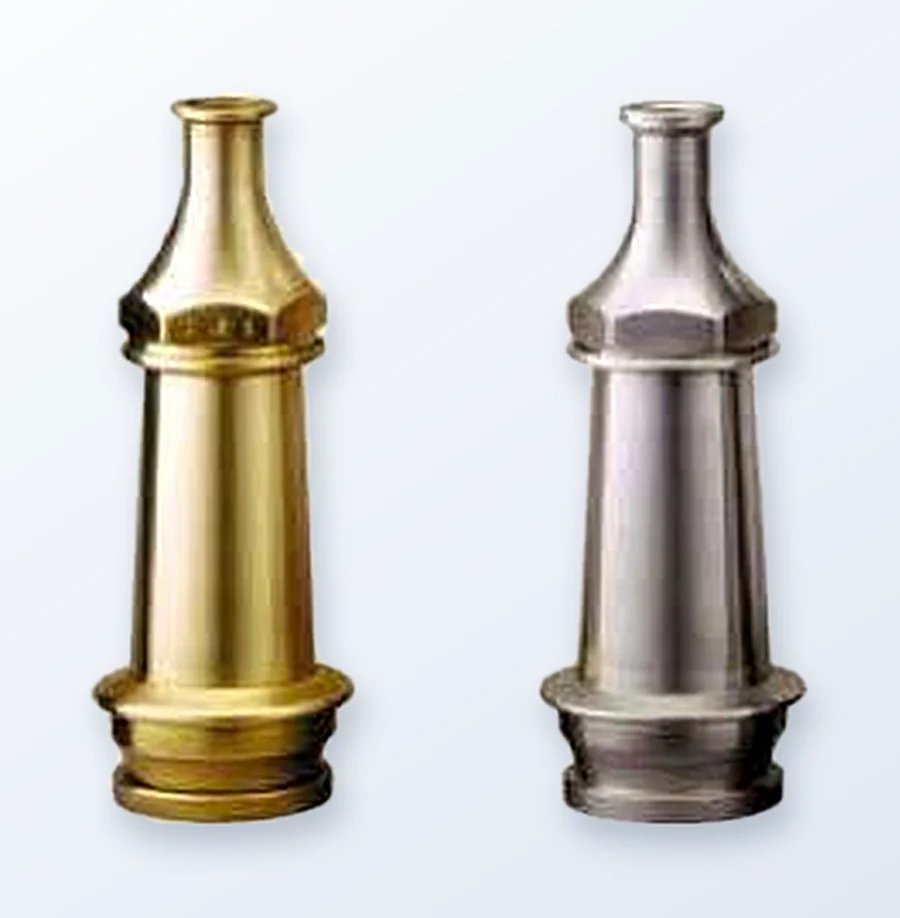
Pumps lift the water, the ring main carries it, and hydrants, hoses and nozzles deliver it to the fire.
How much water? The demand calculation
The fire water demand sets the size of the storage tank and the pumps. The calculation:
Divide the plant into fire zones.
For each zone, work out the water needed by every system that would run in the worst scenario (for a tank farm, for example, a tank on fire, or a bund on fire).
Use the application rates of the standard (litres per minute per square metre of protected surface).
Add 20 % for contingencies and hydraulic imbalance.
Add an allowance for a monitor and hoses (here 120 m³/h and 60 m³/h).
The zone with the largest demand is the design case. Storage is that flow times the duration (often several hours).
Typical rates used:
tanks: 3 L/min/m² for the tank on fire and tanks within R + 30 m, 1 L/min/m² for tanks beyond that,
pumps and loading gantries: 10 L/min/m²,
process areas: 10.2 L/min/m².
Where is spray (deluge) protection required? For class A petroleum storage tanks, for class B floating-roof tanks above 30 m diameter and fixed-roof tanks above 20 m, for LPG and hydrogen storage, pumping and loading, and in process areas for inaccessible flammable-handling areas, vessels handling class A/B above 50 m³, air-fin coolers over hydrocarbon pipe racks, and tall columns.
How much fire water must be stored?
Tank on fire: shell cooling611 m³/h · 2827 m² × 3 L/min/m²
Neighbouring tanks (within R + 30 m)1221 m³/h · 2 × 2827 m² × 3 L/min/m²
Process equipment spray588 m³/h · 800 m² × 10.2 L/min/m²
Pumps and loading gantry43 m³/h · 60 m² × 10 L/min/m²
Foam for the bund (dike) area0 m³/h · 0 m² × 2.5 L/min/m²
One monitor (120) and hoses (60)180 m³/h
Fire water demand
3050 m³/h
Same, in litres per minute
50834 L/min
Storage for 4 h
12200 m³
Largest single item
Neighbouring tanks (within R + 30 m)
Try the numbers from a big crude-oil storage example: a tank 83 m in diameter on fire with three neighbouring tanks and a burning bund of about 6 000 m² gives a demand of the order of 2 000 – 4 000 m³/h, which then drives a storage of thousands of cubic metres for 6 hours.
For each fire scenario, add the water needed by every protection system that would run at the same time, then add 20 % for contingencies and uneven hydraulics. Add a monitor and hose allowance (here 120 + 60 m³/h). The scenario with the largest demand sets the size of the fire water storage and the fire pumps. The application rates are the values in common use (OISD, tanks 3 L/min/m² on and near the burning tank, 1 beyond; spray 10.2 for process areas; 10 for pumps and gantries; bund foam 2.5). Always use the rates in your project standard.
A worked example. In a crude oil storage area, the worst scenario was a bund on fire. The study found a demand of about 2 244 m³/h. Its water use was bund foam for one hour (about 900 m³), cooling of the tank shells for six hours (about 6 700 m³), and manual fire fighting for six hours (about 1 100 m³). That gave a fire water storage of around 8 800 m³. The foam needed was only about 41 m³.
Layout rules
Points that designers follow:
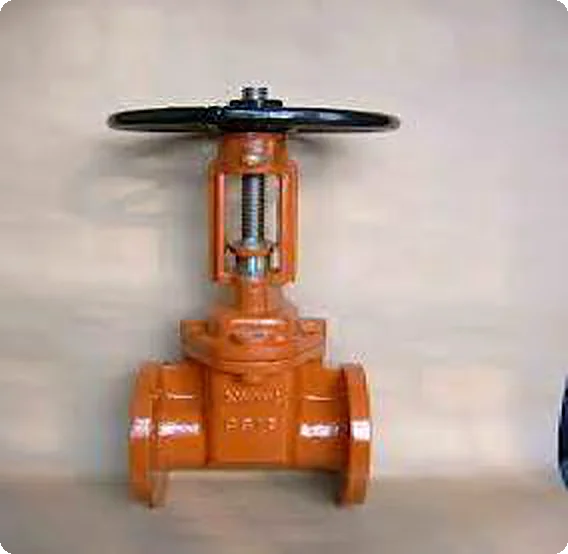
The fire water network is laid in closed loops, with isolation valves so that a damaged section can be cut out. Branch lines have an isolation valve at the take-off point, and there are flushing connections.
No other use is permitted from the fire water line.
Above-ground mains run at about 300 mm above grade on their own sleepers, not on the process pipe sleepers. Buried mains are wrapped and coated.
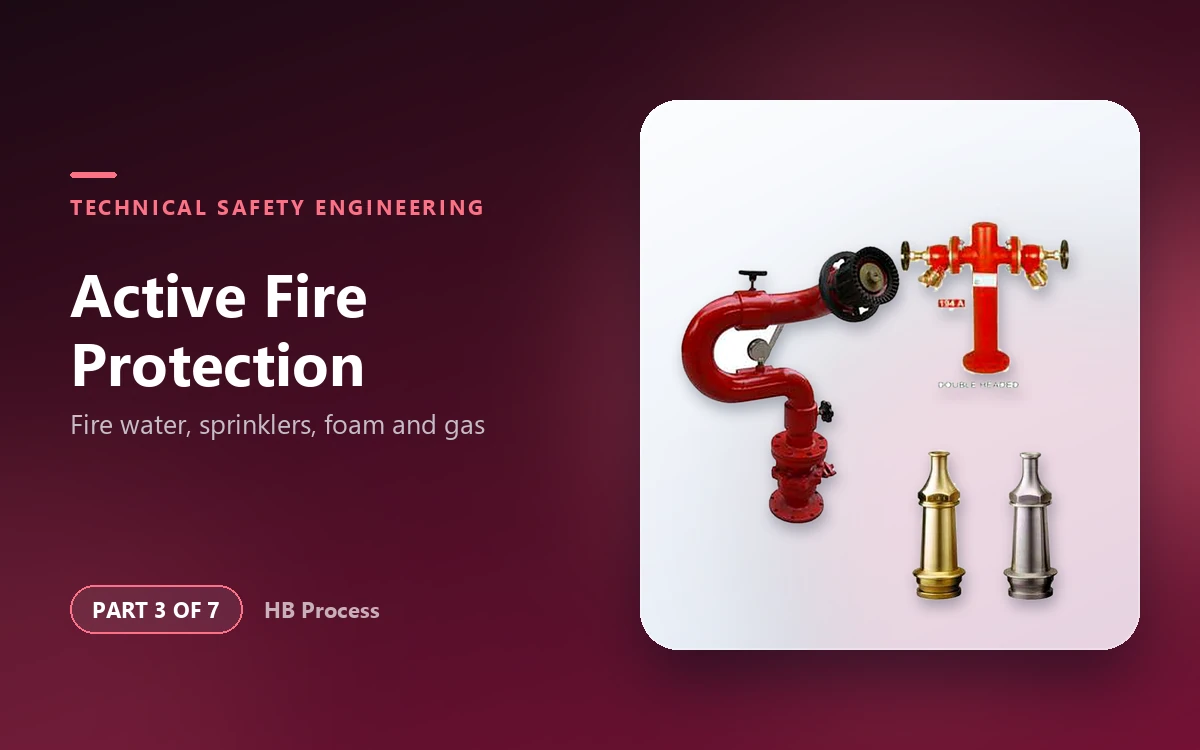
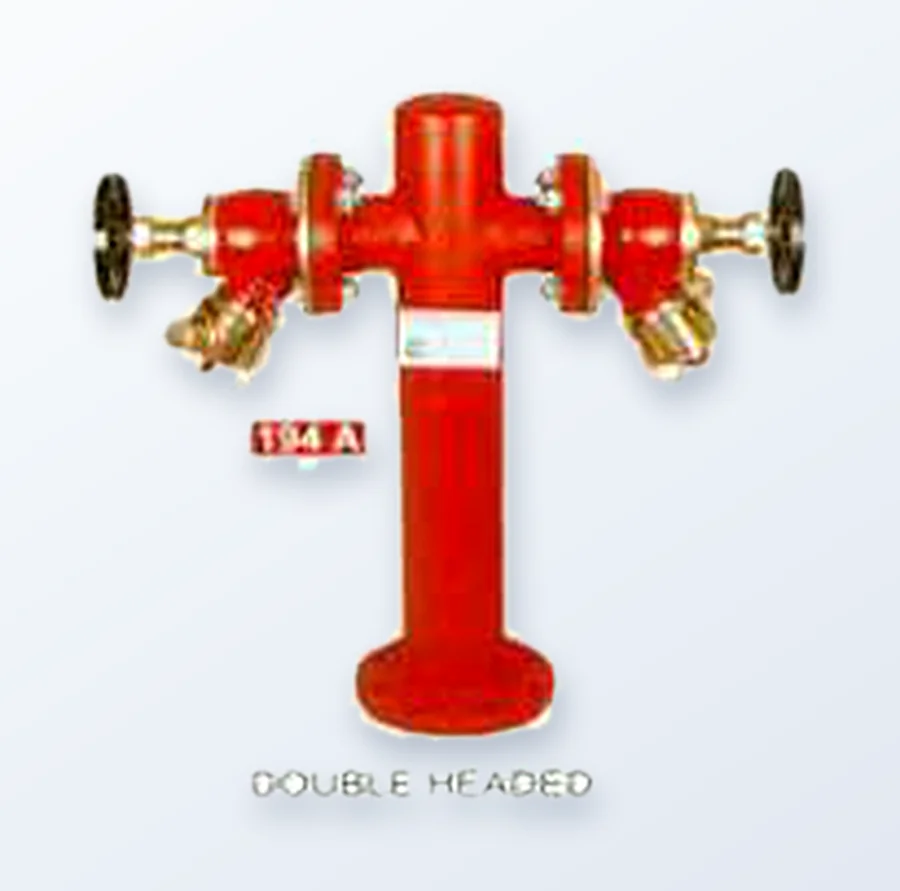
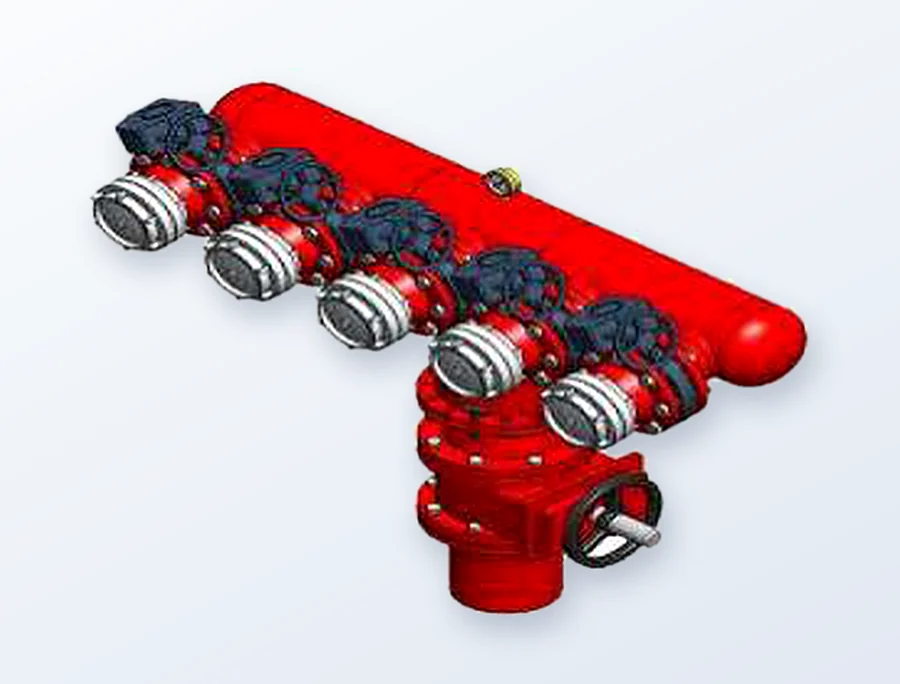
Hydrants are placed by hazard and distance: at least 15 m from a tank or hazardous equipment, along roads for easy access. Double-headed hydrants (with isolation) are used in process units. Dry or wet risers are provided at each floor of structures.
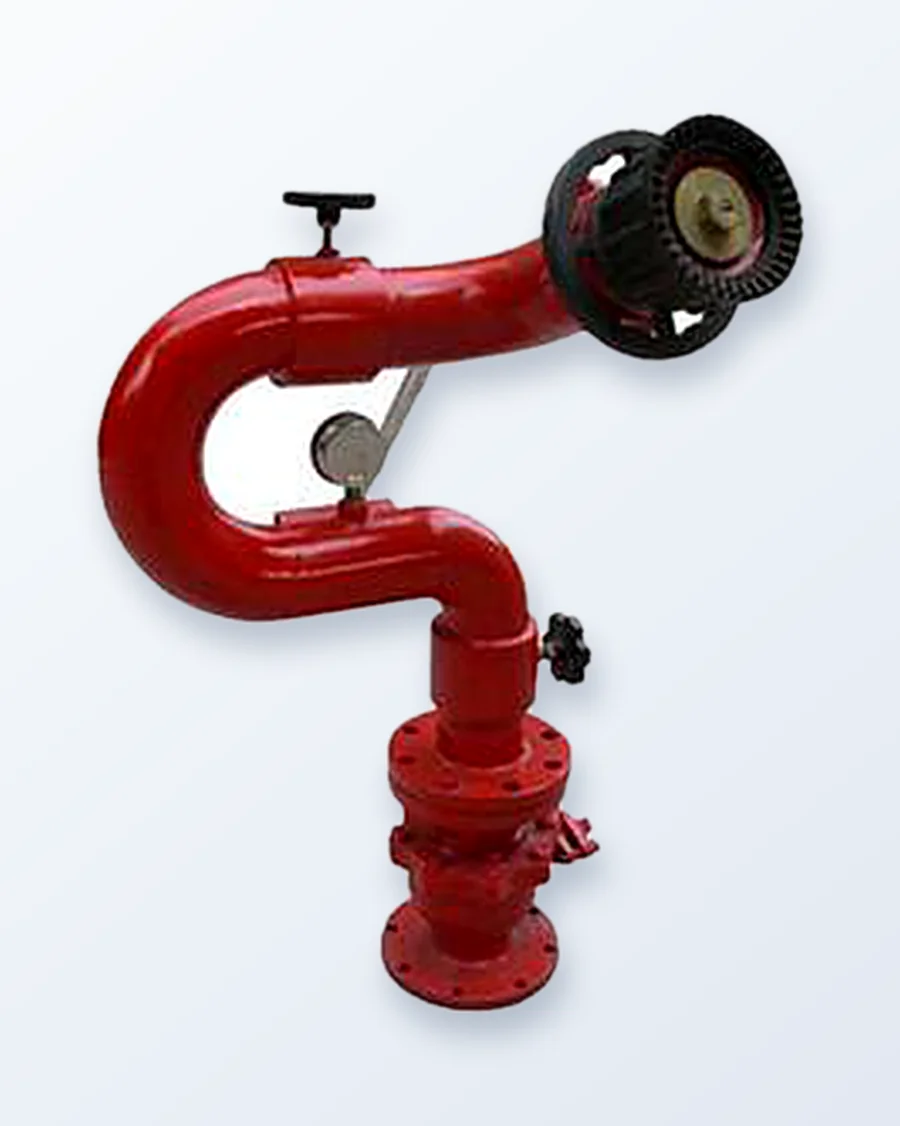
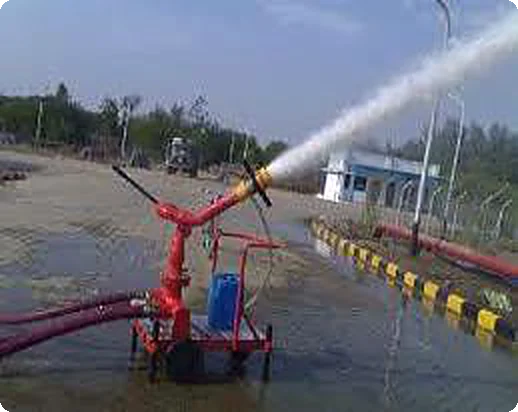
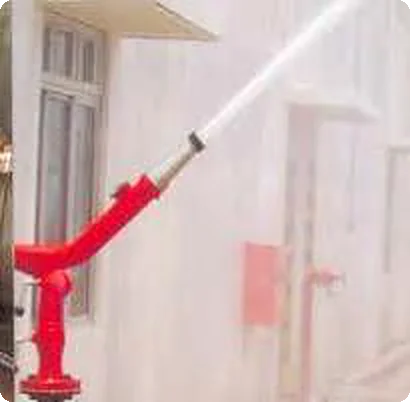
Monitors must be at least 15 m from the equipment they protect. High-volume long-range monitors are used in tank farms, in inaccessible places such as columns and reactors in critical units, and for equipment higher than 45 m. They must reach all the tanks in the installation with foam throw.
A monitor is a fixed or movable water gun. It lets fire-fighters attack a fire from a safe distance.
4. Sprinkler systems
A sprinkler system has a head with a heat-sensitive glass bulb that breaks at a set temperature. Only the heads near the fire open. There are three common types:
Wet pipe: the pipes are full of water under pressure, up to the head. Fast, simple.
Dry pipe: the pipes are empty. When a detector signals a fire, a signal goes from the fire panel to start the pump and open the zone valve, and water fills the pipe. This suits places where water could freeze.
Pre-action: water waits at the zone valve, and the pipe beyond holds air. A fire detector releases the air and opens the valve, and the water fills the pipe. The head then opens when it gets hot. Two events are needed, which protects against accidental discharge. Good for places with water-sensitive contents.
Sprinkler systems: wet, dry and pre-action
Wet pipe · step 1: Normal
The pipes are full of water under pressure, right up to each sprinkler head.
All three systems end in the same place: a head that opens above the fire. They differ in what is in the pipe before the fire, and in what must happen before water arrives. Step through each type, or press play. Each head has its own glass bulb that breaks at a set temperature, so only the heads near the fire open.
5. Fixed water spray (deluge)
Fixed water spray is used where immediate application of water is needed: vessels, pumps, air-fin coolers, columns and tanks; LPG and hydrogen pressure storage; LPG bottling, loading and pump or compressor areas; cable cellars and oil-filled transformers.
The system is sized hydraulically to give the calculated flow over the protected surface. The number of nozzles follows from the surface and the spray angle, and the flow through each nozzle follows from that.
The nozzle pressure is typically 1.5 to 3.5 kg/cm².
Spray systems may be medium-velocity or high-velocity (as the applicable standards define).
Components: deluge valve, wet pilot detector, solenoid valve, isolation valve, piping, bypass valve and spray nozzles. On detection, the pilot or solenoid releases the pressure that holds the deluge valve shut, and water flows to all nozzles at once.
6. Foam systems
Foam is used on fires of flammable liquids. It floats on the liquid, cuts off the air and cools.
Fixed foam system: foam is piped from a foam station to the tank.
Semi-fixed foam system: the tank has the foam chamber and piping, but the foam supply comes from a mobile unit.
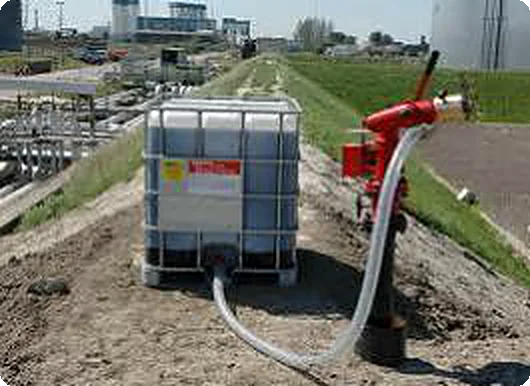
Water-cum-foam monitor: a fixed monitor fights the fire from a safe distance. Portable applicators and nozzles cover the shadow areas that the monitors cannot reach. The pick-up tube in the foam container must be at least 1 m above the foam liquid level.
7. Which agent for which fire?
Which agent for which fire?
Class B: Petrol, oil, paint and other flammable liquids.
Foam
Covers the liquid and cuts off the air, and cools.
Limits: Contains water, so it conducts electricity. A foam blanket can break down on a deep or moving fire.
4 of 6 agents suit class b.
Every agent puts out a fire by attacking one side of the fire triangle: heat, oxygen or fuel (and, in a flame, the chain reaction). Choose the class of fire, and the agents that work are highlighted. Then pick an agent to see how it works and when it should not be used. Using the wrong agent can make a fire worse.
Agent
How it works
Notes
Water
Cools
Not for oil or live electrical fires
Foam
Covers and cools
Liquid fires, contains water
Carbon dioxide
Pushes air away
Danger to people in closed rooms
Dry chemical powder
Stops the chain reaction
No cooling, may re-ignite
Wet chemical
Cools and forms a soapy layer
For cooking oils
Clean agent
Absorbs heat or lowers oxygen
For closed rooms
8. Gas-based systems
Gas-based systems are used in closed, mostly unmanned rooms, such as control rooms, switch rooms and server rooms. They flood the whole room.
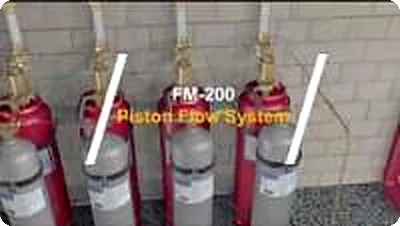
Halocarbon agents (such as FM-200, HFC-227ea) are designed for about 6 to 8.9 % by volume of the room.
Inert gas agents (nitrogen, argon mixes) are designed for about 38.5 to 40 %. They lower the oxygen to roughly 12.5 %.
The systems are designed per NFPA 2001.
On a detector signal, the fire alarm panel opens the solenoid valve of a master cylinder. This opens the others, and the gas is released through a manifold, directional valves, pipes and nozzles into the room.
Flooding a closed room with a clean agent
Agent needed
115 kg
Oxygen in the room
19.6 %
Per m³ of room
0.55 kg
The people leave on the alarm, before the gas is released. The room must be sealed enough to hold the concentration for the hold time (often 10 minutes) while the fire dies and the hot surfaces cool.
In an unmanned room (a control or switch room, for example) a gas system fills the whole room with an agent. A halocarbon agent such as FM-200 works at about 6 – 9 % by volume (it takes heat out of the flame). An inert gas works at about 38 – 40 %, and it lowers oxygen from 20.9 % to about 12.5 %, too low for the fire but still just above what a person can breathe for a short time. The quantities use the standard textbook formulas at 20 °C. A vendor does the real design, with leakage and hold time.